Incorporating Water Features into Your Landscape Design
Water features can transform any landscape into a serene and inviting space. They not only enhance the aesthetic appeal but also provide a soothing ambiance that can elevate your outdoor experience. Whether you are considering a pond, fountain, or waterfall, understanding the various options and their benefits is crucial for effective landscape design.
Benefits of Water Features
Incorporating water features into your landscape design offers numerous benefits. Firstly, they create a focal point that draws the eye and adds depth to your garden. Secondly, the sound of flowing water can mask unwanted noise from nearby roads or neighbors, creating a peaceful retreat in your backyard. Additionally, water features can attract wildlife, such as birds and butterflies, enhancing the biodiversity of your garden.
Moreover, water features can improve the microclimate of your outdoor space. The presence of water can help regulate temperature and humidity levels, making your garden more comfortable during hot summer months. This not only benefits you but also the plants and wildlife that thrive in your landscape. Overall, the integration of water features can significantly enhance the overall quality of your outdoor environment.
Types of Water Features
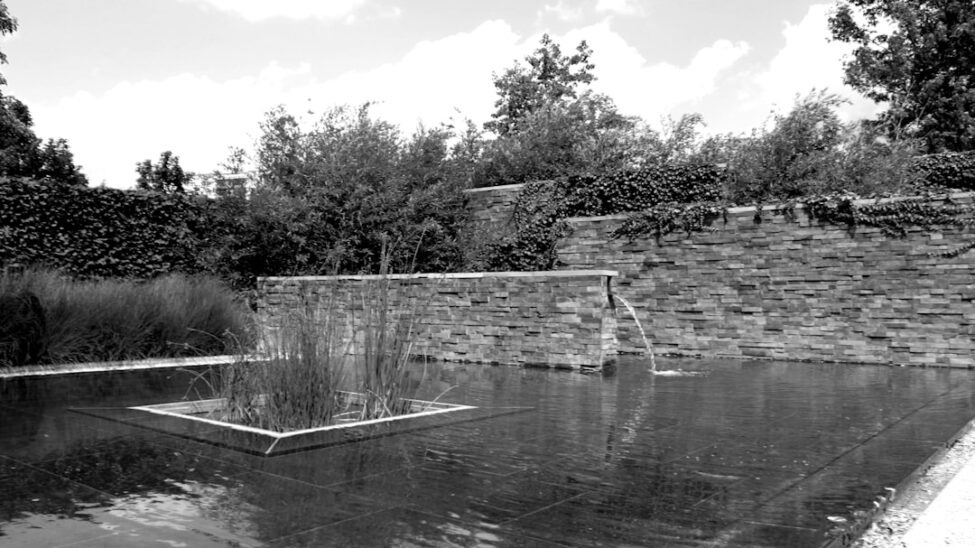
There are various types of water features to consider for your landscape design. Ponds are a popular choice, offering a natural look and the opportunity to incorporate aquatic plants and fish. Fountains, on the other hand, can add a touch of elegance and can be designed to fit any style, from modern to traditional. Waterfalls can create a dramatic effect, providing both visual and auditory stimulation, making them a favorite among homeowners.
Another option is a stream, which can be designed to flow through your garden, creating a naturalistic look. For smaller spaces, consider a wall fountain or a birdbath, which can provide the benefits of water features without taking up too much room. Each type of water feature has its unique charm and can be tailored to fit your specific landscape needs.
Design Considerations
When incorporating water features into your landscape design, several factors must be considered. First, think about the size and scale of the feature in relation to your garden. A large pond may overwhelm a small yard, while a tiny fountain may get lost in a vast landscape. It’s essential to strike a balance that complements your existing design while enhancing its beauty.
Next, consider the placement of your water feature. Ideally, it should be positioned where it can be easily viewed and enjoyed from various angles. Additionally, ensure that it receives adequate sunlight and is accessible for maintenance. Proper planning will ensure that your water feature becomes a cherished part of your landscape rather than a burden.
Maintenance of Water Features
Maintaining water features is crucial for their longevity and performance. Regular cleaning is necessary to prevent algae buildup and ensure clear water. Depending on the type of feature, you may need to check and maintain pumps, filters, and other equipment to keep everything running smoothly. Additionally, seasonal maintenance, such as winterizing ponds or fountains, is essential to protect your investment.
Furthermore, consider the plants and wildlife that inhabit your water feature. Choosing native plants can help maintain a balanced ecosystem and reduce maintenance efforts. Regularly monitoring the health of your aquatic plants and any fish will ensure a thriving environment. By committing to proper maintenance, you can enjoy the beauty and tranquility of your water feature for years to come.
Step-by-step plan:
Step 1: Assess your landscape to determine the best type of water feature for your space. Step 2: Plan the design and placement of the feature to maximize its visual impact. Step 3: Choose materials and plants that complement your overall landscape design. Step 4: Implement regular maintenance to keep your water feature in optimal condition.