
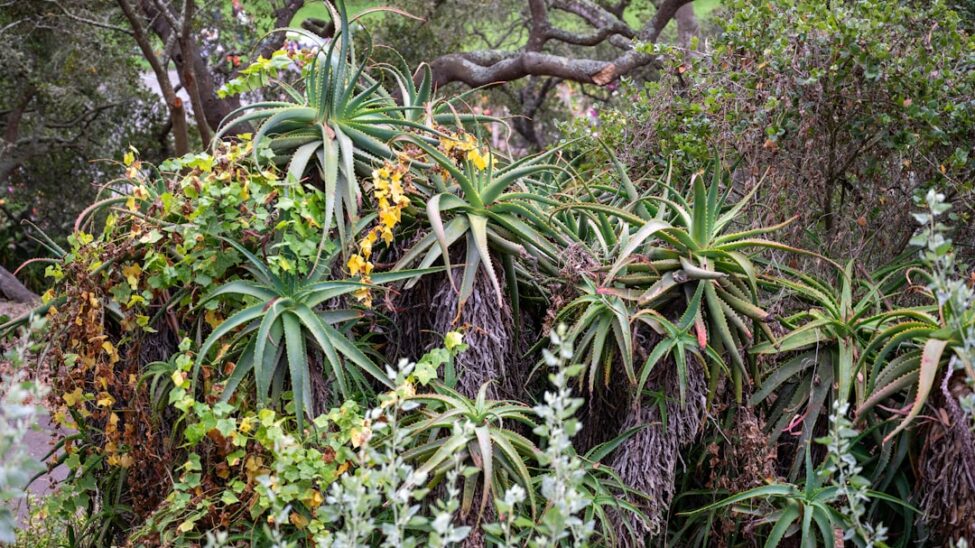
The Importance of Native Plants in Landscape Architecture
In the realm of landscape architecture, the choice of plants can significantly influence the ecological balance and aesthetic appeal of a space. Native plants, which are species that naturally occur in a specific region, offer numerous benefits that align with sustainable practices and environmental stewardship. By incorporating native plants into landscape designs, we not only enhance biodiversity but also create resilient ecosystems that require less maintenance and resources.
Understanding Native Plants
Native plants are those that have evolved in a particular area over thousands of years, adapting to the local climate, soil, and wildlife. This adaptation makes them more resilient to local pests and diseases, reducing the need for chemical interventions. Furthermore, native plants provide essential habitats for local wildlife, including birds, insects, and other organisms, fostering a rich biodiversity that is crucial for a healthy ecosystem.
In contrast, non-native plants can often disrupt local ecosystems, leading to issues such as soil degradation and the displacement of native species. By choosing native plants, landscape architects can ensure that their designs contribute positively to the environment, promoting ecological balance and sustainability. This approach not only benefits the landscape but also enhances the overall health of the surrounding ecosystem.
The Benefits of Native Plants in Design
One of the primary advantages of using native plants in landscape architecture is their low maintenance requirements. Native species are well adapted to the local climate and soil conditions, which means they typically require less water, fertilizer, and pesticides compared to non-native varieties. This not only saves time and resources for property owners but also reduces the environmental impact associated with landscaping practices.
Additionally, native plants can enhance the aesthetic appeal of a landscape by providing a sense of place and authenticity. They reflect the natural beauty of the region and can create a harmonious connection between the built environment and the surrounding landscape. This connection is increasingly important as communities seek to create spaces that are not only functional but also visually appealing and ecologically responsible.
Supporting Local Wildlife
Incorporating native plants into landscape designs plays a crucial role in supporting local wildlife populations. Many native species serve as food sources for birds, butterflies, and other pollinators, which are essential for maintaining healthy ecosystems. By providing these resources, landscape architects can create environments that encourage biodiversity and promote the survival of local species.
Moreover, native plants can help mitigate the effects of urbanization on wildlife habitats. As cities expand, natural habitats are often fragmented or destroyed, leading to declines in wildlife populations. By integrating native plants into urban landscapes, we can create green spaces that serve as refuges for wildlife, helping to sustain populations and maintain ecological integrity in urban areas.
Economic and Environmental Impact
Choosing native plants for landscaping can also have significant economic benefits. By reducing the need for irrigation, fertilizers, and pesticides, property owners can lower their maintenance costs over time. Additionally, landscapes that incorporate native plants can increase property values, as they are often seen as more desirable and environmentally friendly.
From an environmental perspective, native plants contribute to soil health and water conservation. Their deep root systems help prevent soil erosion and improve water infiltration, reducing runoff and promoting groundwater recharge. This is particularly important in urban areas where impervious surfaces can lead to increased flooding and water pollution. By integrating native plants into landscape designs, we can create more sustainable and resilient urban environments.
Building Trust Through Certification
When selecting plants for landscaping projects, it is essential to consider ethical sourcing and sustainability. Certifications such as the Fair Trade standard ensure that plants are grown and harvested in ways that are environmentally responsible and socially equitable. By choosing certified native plants, landscape architects can build trust with clients and communities, demonstrating a commitment to sustainable practices and ethical sourcing.
In conclusion, the importance of native plants in landscape architecture cannot be overstated. They offer numerous benefits, from supporting local wildlife to enhancing the aesthetic appeal of spaces while promoting sustainability and reducing maintenance costs. By prioritizing native plants in design, we can create landscapes that are not only beautiful but also ecologically responsible and resilient, paving the way for a more sustainable future.